Upgrade Your Space: Crucial Insights On Residential Improvement Projects for Every Homeowner
Property owners frequently look for methods to enhance their living spaces via professional remodeling. Such undertakings may vary from kitchen upgrades to comprehensive home makeovers. Knowing the choices accessible is vital for deciding wisely. Additionally, there are real-world factors such as setting a budget and choosing the right builder. As householders start this endeavor, they might encounter unforeseen difficulties. The key to a successful transformation requires careful planning and execution. What should be done subsequently?
Grasping the Diverse Forms of Residential Renovation Work
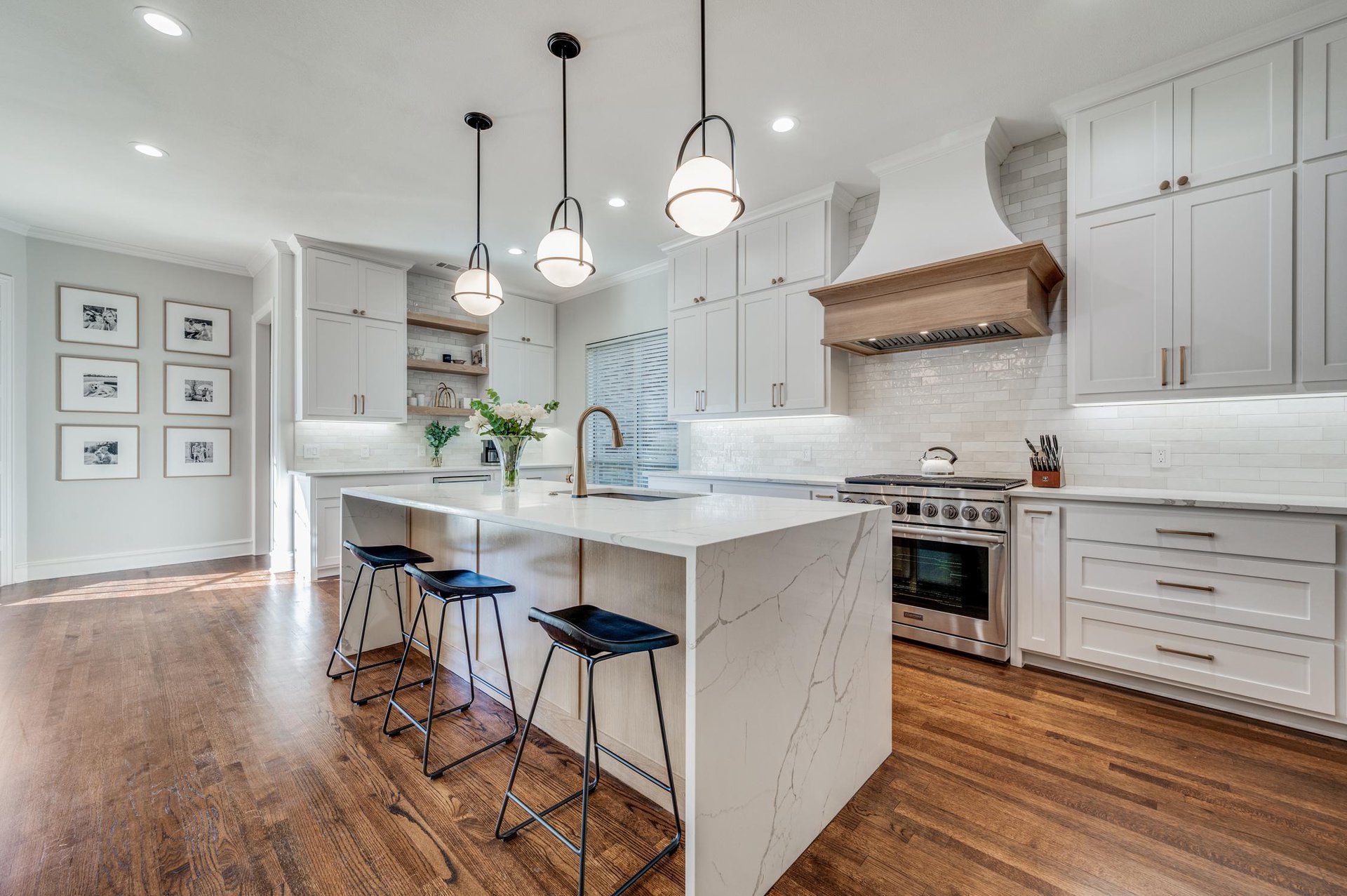
When homeowners consider renovating their living spaces, they often encounter numerous renovation options suited to various requirements and preferences. These projects are generally grouped into a few distinct groups, each addressing specific aspects of house upgrades. Kitchen renovations center on updating appliances, cabinetry, and layouts to boost practicality and visual appeal. Bathroom remodeling typically involves updating the hardware, tiles, and storage solutions for greater ease and design.
Complete residential remodeling includes extensive modifications to the entire house, often including structural alterations to make the get started most of the space and flow. External improvement work, in contrast, concentrate on enhancing the home's outward appearance, addressing siding, the roof, and landscaping. Moreover, niche projects including converting the cellar and loft remodeling allow homeowners to maximize unused areas. Each type of remodeling service provides distinct advantages, enabling homeowners to choose options that align with their vision for their home life. Grasping these differences is crucial to making informed decisions during the renovation process.
Creating an Attainable Financial Limit for Your Remodeling Project
How can homeowners guarantee their renovation work stays economically sound? Establishing a realistic budget is essential. It is advisable for homeowners to begin by determining their fiscal limits, including savings and potential financing options. This first stage helps establish the amount that can be set aside for the updating project without compromising other financial responsibilities.
Next, homeowners must research the costs associated with their desired renovations, considering materials, labor, and unforeseen expenses that often arise. Making an exhaustive list of needs will assist in distinguishing essentials from desirable features, allowing for adjustments if the budget tightens.
It is prudent to set aside an emergency fund, generally 10-20% of the entire budget, to handle unforeseen expenses. Regularly reviewing and adjusting the budget throughout the remodeling process is also useful for preserving fiscal oversight. In the end, a carefully structured budget does more than just confirm the project can be done but also enhances the overall remodeling experience for those living in the home.
Finding the Best Contractor for Your Requirements.
Selecting the right contractor has a major influence on the success of a remodeling project. Property owners ought to start by performing extensive investigation, asking for referrals from friends, family, or internet reviews. It’s vital to verify credentials, such as licenses, insurance, and surety bonds, to establish credibility.
Once potential contractors are identified, they should seek detailed cost breakdowns and timeframes, facilitating well-grounded side-by-side evaluations. Interviews provide insight into communication styles and professionalism, that are key to a cooperative effort.
Furthermore, examining previous work via portfolios or referrals can reveal a contractor's quality of workmanship. Property owners must also ask about guarantees or assurances, indicating the builder's certainty about their services.
Ultimately, selecting a contractor who aligns with the homeowner’s vision, budget, and timeline creates a better renovation journey, ensuring the work fulfills requirements and transforms the living space effectively.
Structuring and Laying Out The Space You Envision.
As those renovating imagine their desired rooms, thorough preparation and well-considered layout form vital parts of a triumphant renovation effort. The first step involves evaluating current needs and future aspirations, allowing for a thorough understanding of how the space will be used. When planning, homeowners should evaluate practicality, visual appeal, and personal style, making sure the design captures their unique preferences.
Next, establishing a thorough budget is crucial. This budget should accommodate materials, workforce costs, and potential unforeseen expenses. Hiring professional designers can provide valuable insights, aiding in maximizing the area while sticking to budgetary constraints.
Incorporating elements like natural light, spacious designs, and eco-friendly supplies can enhance the overall experience. In conclusion, visualizing the project through mock-ups or 3D visualizations can aid in refining ideas before implementation. By approaching the planning and design phase with intention, homeowners can design a welcoming, practical area tailored to their lifestyle.
Dealing with Permits and Building Codes in Residential Projects
Understanding the complexities of permits and regulations can be intimidating for homeowners starting on a remodeling project. Every city or county maintains distinct regulations that determine what is allowed during renovations, typically guided by zoning laws, construction standards, and safety standards. It is essential for homeowners to understand local regulations to avoid costly fines or setbacks in the timeline.
In most cases, getting permits is mandatory for substantial modifications, such as modifying load-bearing elements or electrical work. This process usually necessitates providing designs for examination and might demand site visits at different phases.
Engaging a knowledgeable contractor can make this procedure easier, as they are often familiar with local codes and can help manage the documentation. Homeowners should also keep communication open with the city's regulatory body to guarantee compliance throughout the project. By understanding and maneuvering through these requirements, homeowners can meet their renovation objectives and maintaining compliance with the law in their renovations.
FAQs
How Much Time is Needed for a Typical Remodeling Job?

A typical home remodeling project usually takes between three to six months, contingent upon the extent of the project, scale of the house, and supply chain status. Intricate jobs could demand more time for completion.
What are frequent blunders that people make throughout the renovation process?
Common mistakes during remodeling include miscalculating costs, not securing the required permissions, overlooking timelines, failing to communicate effectively with the construction team, and ignoring long-term functionality. Understanding these dangers helps ensure a less stressful, more positive renovation outcome.
How should I go about choosing the best supplies for my renovation?
Choosing the right materials means considering how long they will last, aesthetics, and cost constraints. Researching options, consulting professionals, and factoring in how much care they require will significantly help to make smart choices, making sure the renovation matches your needs and preferences.
Will I be able to reside in my property throughout the construction phase?
You are able to stay in the house during renovations, but you should expect some hassle. Thorough preparation, clear communication with contractors, and setting aside certain zones for daily use can lessen the stress during the process.
What guarantees should I look for by my builders?
You should anticipate receiving warranties covering workmanship, materials, and the integrity of the structure, typically ranging from one to ten years. You must carefully check the exact provisions with contractors to clearly grasp what is covered and what is excluded.